
Businesses using Slack need a VPN that offers strong security and smooth integration to protect sensitive communications and data. The best VPN for business Slack is one that combines reliable encryption with easy management of users and permissions, ensuring that company conversations stay private without slowing down workflow.
Choosing a VPN specifically designed for business use will help teams work securely from anywhere.

Security features like zero-trust access and always-on connections are important for keeping Slack data safe from cyber threats. Additionally, a VPN should support remote work setups and provide centralized control to simplify management for IT teams.
This makes it easier to protect the company’s online environment while allowing employees to collaborate seamlessly.
Key Takeways
- A business VPN must balance security and performance for Slack integration.
- Centralized user control improves security and management ease.
- Strong encryption and zero-trust features protect sensitive business data.
What Is a VPN and Why Businesses Use It
A VPN, or Virtual Private Network, helps companies protect their data by creating a secure connection over the internet. It encrypts information, making it hard for outsiders to access sensitive business details.
This technology is widely used by businesses to secure communication, especially when employees work remotely or connect through public networks.
Key Benefits of VPNs for Modern Organizations
Businesses use VPNs mainly to protect data from cyber threats. It encrypts the connection between employees and the company’s internal network, which keeps passwords, files, and emails safe from hackers.
VPNs also help maintain privacy when staff work remotely, ensuring secure access without exposing company systems to risks.
Another benefit is that VPNs can bypass restrictions, allowing employees to access business tools and servers regardless of their location. This improves productivity and supports flexible work agreements.
Some corporate VPNs also include features like centralized management and activity logging, which help IT teams monitor security without disrupting workflows.
VPN vs. Other Business Security Tools
VPNs focus on securing data in transit, different from firewalls or antivirus software that protect devices from incoming threats. While firewalls block unauthorized access and antivirus works against malware, VPNs encrypt the communication channel itself, preventing data interception.
Other tools like multi-factor authentication (MFA) complement VPNs by verifying user identity but don’t encrypt data. Businesses often combine VPNs with these tools to create layered security.
Unlike some advanced cybersecurity solutions, VPNs are also easier to deploy across teams, which is vital for businesses with remote or hybrid workforces.
Virtual Private Network Technology Overview
A business VPN works by creating an encrypted tunnel between an employee’s device and the company’s internal network. This tunnel keeps data hidden from outside observers, even on unsecured public Wi-Fi.
The VPN software runs on devices and directs internet traffic through remote servers managed by the company or a trusted provider.
Most modern corporate VPNs support multiple protocols to balance security and speed. Common protocols include OpenVPN, WireGuard, and IPSec.
These protocols ensure strong encryption and reliable connections. Many business VPN services also offer features like split tunneling, which allows some traffic to use the VPN while other traffic accesses the internet directly, improving performance.
Core Criteria: Selecting the Best VPN for Business Slack
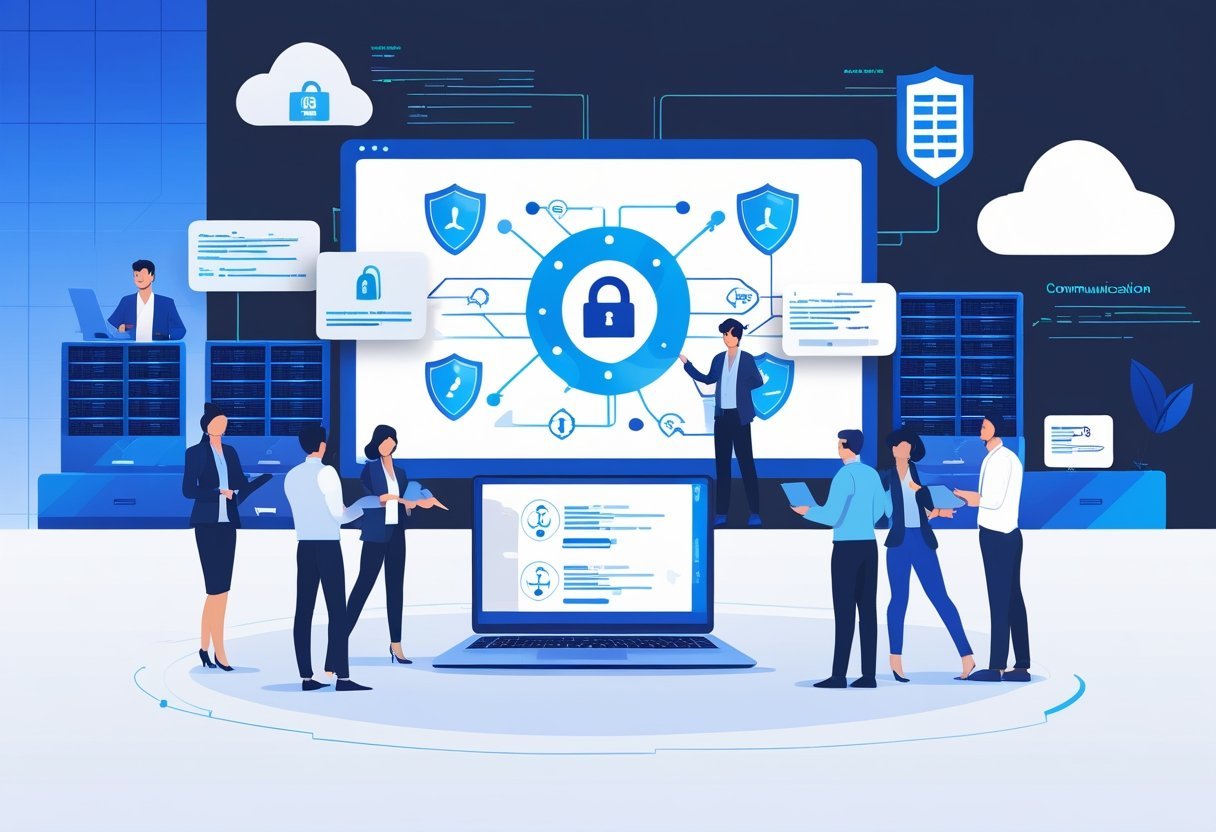
Choosing a VPN for Business Slack requires careful attention to security, speed, ease of management, and legal compliance. Each factor ensures that company data stays protected, connections run smoothly, and the VPN service grows with the organization's needs.
Essential Security Features
Security is the backbone of any business VPN. It must include strong encryption, such as AES-256, to protect Slack communications from cybercriminals.
The VPN should support trusted protocols like OpenVPN or WireGuard, which balance security with speed. Features like a kill switch help prevent data leaks if the VPN connection drops.
Split tunneling allows users to route only Slack traffic through the VPN, improving overall network performance. A strict no-logs policy is critical to ensure user activity is not recorded or shared.
Multi-factor authentication (MFA) adds an extra layer of protection by requiring users to verify their identity beyond passwords, reducing unauthorized access risks. Firewalls and access controls, including role-based access, enable companies to limit Slack data access based on job roles.
Performance and Connection Speeds
Reliable and fast connection speeds are essential for Slack use, especially when sharing files or conducting calls. VPN services must offer sufficient bandwidth and low latency to avoid lag and interruptions.
VPN protocols impact performance, with WireGuard often providing faster connections than traditional options like OpenVPN. However, the choice may depend on device compatibility and security needs.
Services with a global server network can reduce distance between users and servers, lowering delays. Some business VPNs offer zero trust network access (ZTNA) to secure connections dynamically while maintaining speedy performance.
Regular updates and optimized server infrastructure help maintain consistent speeds, critical for businesses relying on Slack to enable real-time communication and collaboration.
User Management and Scalability
For Business Slack, a VPN must handle multiple users efficiently. Role-based access controls help assign appropriate permissions for each employee according to their position, supporting data security and operational needs.
User management tools should enable IT teams to add, remove, or adjust user settings quickly. Features like centralized dashboards simplify oversight and reporting.
This is key when organizations grow or shift teams using Slack. The VPN must scale smoothly as the company adds employees or expands remotely.
Scalability includes supporting multiple devices per user and integration with authentication systems like single sign-on (SSO) and multi-factor authentication (MFA).
Easy onboarding and clear security policies reduce friction for employees, helping secure the Slack environment without disrupting daily workflows.
Compliance and Regulatory Support
Business VPNs must help companies meet industry compliance standards to protect sensitive Slack data. Common frameworks include GDPR for data privacy in Europe, HIPAA for healthcare information, and ISO 27001 for information security management.
The VPN provider should demonstrate clear compliance with these regulations and offer documentation to support audits. This includes enforcing encryption standards, no-logs policies, and secure access controls.
Advanced features such as detailed logging controls and compliance reporting help companies track VPN use and data flow securely without violating privacy rules. Adhering to such standards reduces legal risks and protects both the business and its employees.
Top VPN Services for Business Slack: In-Depth Reviews
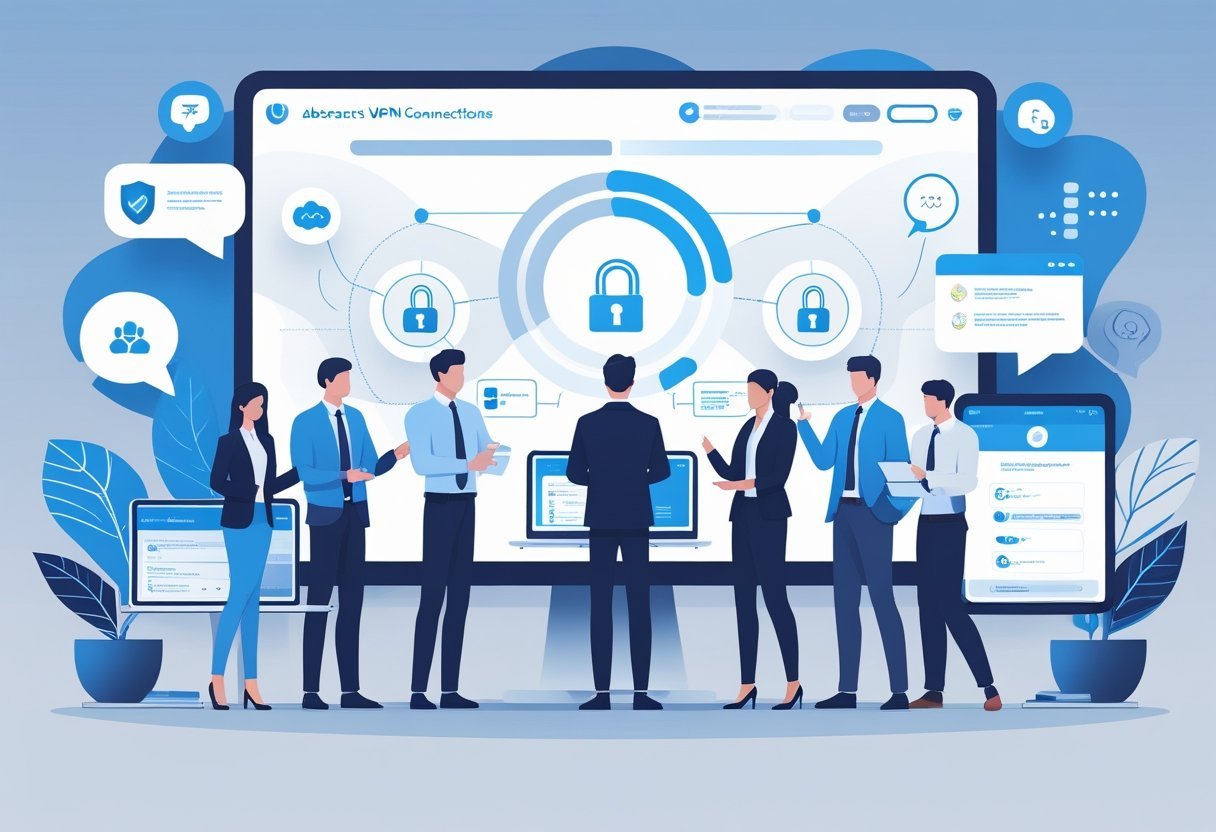
Businesses using Slack need VPNs that offer strong security, reliable connections, and easy team management. The best VPN services provide features like multi-network access, encryption, and support for popular platforms like AWS and Google Workspace.
Here is a detailed look at top VPN options suited for business Slack environments.
NordVPN and NordLayer
NordVPN and its business-focused counterpart NordLayer are top choices for teams requiring secure and scalable VPN solutions. NordLayer is designed specifically for businesses, offering centralized management and always-on VPN features, which ensure continuous protection without user intervention.
It supports multiple cloud services including AWS and Google Workspace, making integration smooth for companies relying on these platforms. The solution also provides tiered access control and multi-network options, which simplify securing remote workers on Slack.
NordVPN technology powers NordLayer’s strong encryption and fast connection speeds. This makes it well-suited for Slack users who need encrypted communication and stable access across different devices and locations.
ExpressVPN
ExpressVPN is known for high-speed, reliable connections and strong encryption protocols. It supports a broad range of devices and is compatible with key cloud services that many businesses using Slack rely on.
While ExpressVPN is more consumer-focused, it offers features valuable to smaller teams or individual Slack users needing extra privacy. It has a strict no-logs policy and advanced network lock (kill switch), ensuring data security even if a connection drops.
Its easy-to-use interface and global server coverage help maintain consistent Slack performance for remote teams. However, it lacks some business-centric features like centralized team management found in NordLayer.
Surfshark
Surfshark, including its broader Surfshark One service, appeals to businesses looking for affordable VPNs without sacrificing security. It provides unlimited device connections, which is useful for Slack teams with varied device use.
The VPN focuses on privacy, with strong AES encryption and a kill switch. Surfshark offers dedicated business solutions tailored for remote work and secure team communication.
It fits well with Slack users needing encrypted chats across multiple devices, plus integration with cloud tools. Surfshark’s CleanWeb feature blocks ads and malware, adding extra protection against cyber threats while using Slack.
Other Leading VPN Providers
Other notable VPN providers supporting business Slack security include Proton VPN, Private Internet Access (PIA), Windscribe, Perimeter 81, Twingate, and Check Point.
- Proton VPN offers strong privacy features, including zero-logs and secure core servers.
- PIA is known for customizable privacy settings and good speed.
- Windscribe supports split tunneling, helpful for routing Slack traffic securely.
- Perimeter 81 and Twingate specialize in zero-trust network access and network segmentation, suitable for complex business environments.
- Check Point provides advanced threat prevention integrated with VPN solutions.
These providers differ in business features, pricing, and cloud platform support but offer reliable encryption and protection needed for Slack communication.
Business Features Critical for Slack Integration
Effective Slack use in business requires secure and reliable network solutions. Features like safe remote access, easy management of users, and stable, dedicated network resources are vital for uninterrupted team communication and data protection.
Remote Access and Secure Collaboration
Businesses need VPNs that provide secure remote access to Slack from any device, including Windows, Mac, iOS, and Android. This ensures employees can safely connect from home or other locations without risking data leaks.
An always-on VPN helps maintain continuous protection, avoiding interruptions in Slack’s communication. Features like multi-hop connections increase security by routing traffic through multiple servers, reducing the chance of breaches.
Unlimited or simultaneous connections allow teams to connect several devices at once, supporting flexible work environments. VPNs with wide server locations also minimize latency, keeping Slack fast and responsive.
Centralized Management & Billing
A strong business VPN must offer a centralized management system where admins control user access, permissions, and network settings from one place, often via a user-friendly admin panel. This helps keep Slack’s network security consistent across all members.
User management tools allow easy addition or removal of team members, which is critical for growing businesses. Group policies can be applied to control who can access Slack remotely or what data they can share.
Centralized billing simplifies expense tracking and subscription management. Companies can handle payments for multiple users under one account, reducing overhead and avoiding billing confusion.
Dedicated IPs and Servers
Using dedicated IP addresses improves Slack’s network stability by avoiding shared traffic congestion. This reduces connection issues and lowers the chance of being blacklisted due to others’ activities.
Dedicated servers offer exclusive resources, enhancing speed and security. Private gateways limit external interference, giving teams a more reliable Slack experience.
Some VPN services also provide a dedicated account manager to assist businesses with setup and ongoing support, ensuring their Slack integration runs smoothly.
These dedicated features benefit companies that require strict access controls or need to comply with regulatory standards while keeping communications seamless.
Advanced Security Enhancements
Strong business VPNs go beyond basic encryption. They include tools to stop malware, control user access, and inspect data traffic.
These features help protect sensitive company information and reduce security risks.
Threat Protection and Malware Defenses
Effective VPNs for business often include integrated antivirus and malware protection. This stops harmful software from entering the network through downloads, emails, or insecure sites.
The VPN’s threat protection scans data in real time, blocking malicious content before it reaches the user.
Some VPNs also use behavior-based detection to catch new or unknown malware. This type of defense can identify threats that traditional antivirus tools might miss.
Regular updates help maintain protection against the latest dangers. Businesses get continuous coverage without needing to rely on separate antivirus programs.
Multi-Factor Authentication and SSO
Strong access control is essential for business networks. VPNs typically support multi-factor authentication (MFA), which requires users to provide two or more proofs of identity.
This might include a password plus a code from a mobile app or biometric login. MFA greatly reduces the chance of unauthorized access if passwords are stolen or guessed.
Many business VPNs also support single sign-on (SSO). SSO lets users access multiple business apps with one set of login credentials.
It simplifies management while improving security. Combining SSO with a password manager helps users maintain strong, unique passwords without losing convenience.
Firewall and Deep Packet Inspection
Firewalls in VPNs regulate what data enters and leaves the network. This prevents unauthorized access and blocks suspicious traffic.
Advanced VPNs offer customizable firewall rules, letting businesses control connections at a granular level. Deep packet inspection (DPI) examines the contents of data packets beyond basic headers.
DPI can detect hidden threats, unusual activity, and policy violations within traffic. It works alongside encryption like SSL to maintain privacy while scanning for risks.
DPI helps businesses identify and stop cyberattacks that use sophisticated methods to avoid detection.
Practical Considerations and Best Practices
Choosing a VPN for business means weighing factors like compatibility, ease of setup, and cost. Each of these influences how effectively a VPN fits into a company’s workflow and security needs.
Platform and Device Compatibility
A business VPN must support all the platforms and devices employees use daily. This includes Windows, macOS, Linux, iOS, and Android.
Compatibility matters because it ensures seamless access for in-office, remote, and hybrid teams. It’s important the VPN also integrates with business tools such as Slack and other communication apps without causing delays or connection drops.
Low latency is critical to maintain smooth performance during calls and file sharing. The VPN should easily add new users and devices as the company grows without sacrificing speed or security.
Centralized management features help admins control access on multiple platforms efficiently.
Customer Support and Onboarding
Strong customer support can make or break a VPN experience for businesses. Reliable services offer 24/7 support through chat, email, or phone.
This helps quickly resolve connection issues or setup questions. A clear onboarding process with step-by-step guides and training resources reduces downtime.
Businesses benefit when providers assist in configuring VPNs to work properly with tools like Slack. Good support teams also help with updates, policy enforcement, and troubleshooting.
This is vital for maintaining ongoing security and performance.
Pricing, Money-Back Guarantees, and Contracts
Pricing models vary widely among business VPNs.
Monthly and annual subscriptions are common, with discounts usually given for longer contracts.
Businesses should compare costs against features like concurrent connections, managed network access, and scalability.
A money-back guarantee period offers a risk-free way to test the VPN’s effectiveness before committing.
This is especially useful to check for compatibility issues or if latency affects productivity.
Contract terms should be clear about what happens in case of cancellation or upgrades.
Flexible plans help companies adapt their service levels as their security needs change.