
Finding low competition keywords is one of the highest-ROI SEO skills you can learn—especially if your website is new or still growing.
This guide walks you through a simple, repeatable process to find keywords you can actually rank for, without expensive tools or advanced SEO knowledge.
What “Low Competition” Really Means
A low competition keyword is not just a low score in an SEO tool.
It means:
- The current top-ranking pages are weak, outdated, or unfocused
- Google is not dominated by massive brands
- You can realistically create a better page
If you can clearly outperform page one, the keyword is low competition.
Step 1: Start With a Topic (Not a Keyword)
Do not start with a single word.
Start with a broad topic, then narrow it down.
Examples:
- SEO
- AI tools
- ChatGPT
- Content marketing
- Productivity software
Broad topics give you room to uncover long-tail opportunities.
Step 2: Use Google Autocomplete (Free & Powerful)
Google literally tells you what people are searching.
How to do it:
- Go to Google
- Start typing your topic
- Look at the suggestions
Example:
seo for beginners
seo for wordpress
seo for small business
These are real searches with real demand.
👉 Longer phrases usually mean lower competition.
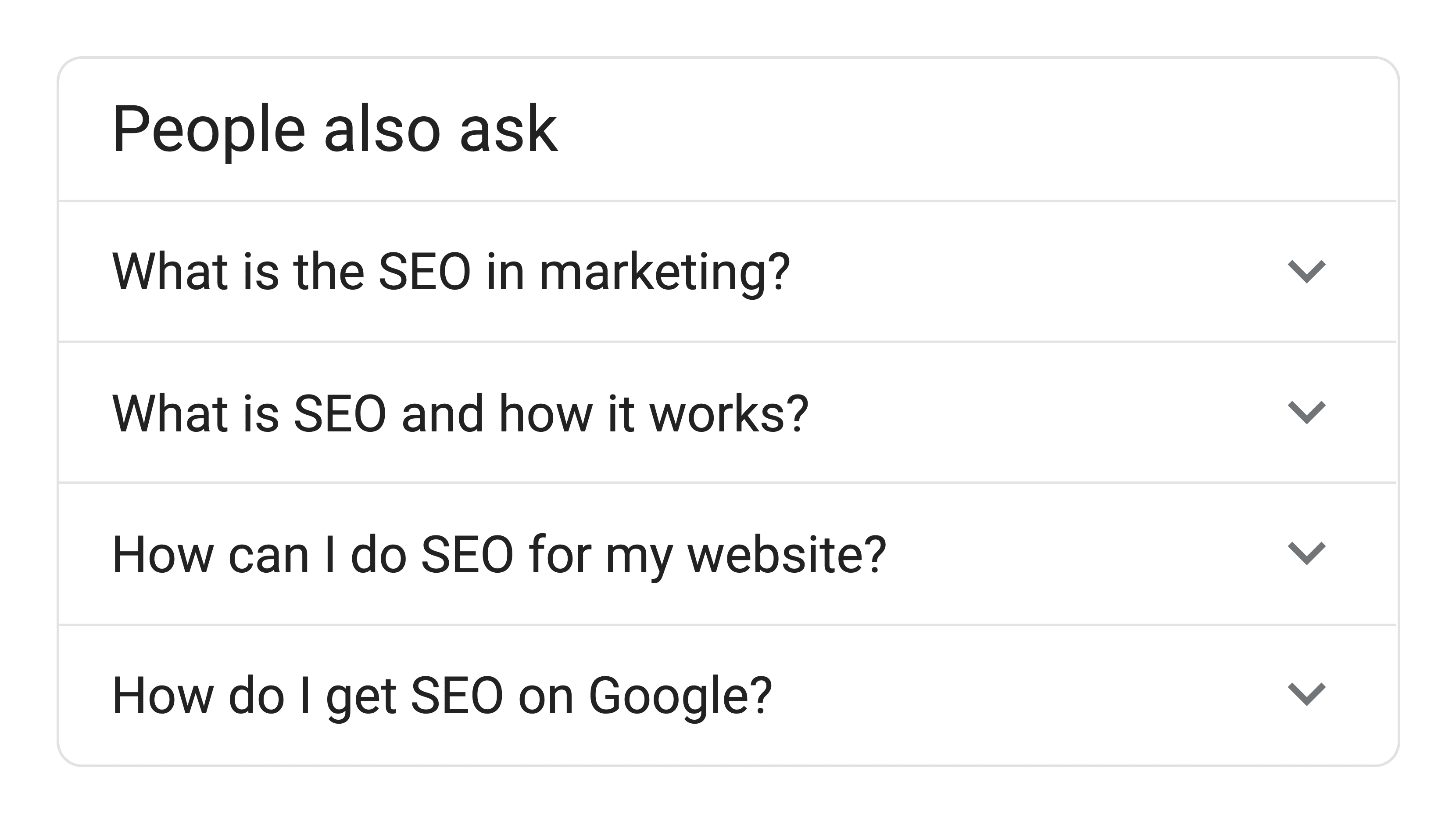
Step 3: Mine “People Also Ask” Questions
Scroll down the search results and look for People Also Ask.
Each question:
- Is a real keyword
- Usually has low competition
- Is perfect for informational content
Example questions:
- Is SEO hard for beginners?
- How long does SEO take to work?
- Can I do SEO myself?
Click a question to reveal even more.
Step 4: Use Modifiers (This Is the Shortcut)
Add intent modifiers to your keywords.
High-Value, Low-Competition Modifiers
- for beginners
- for small business
- step by step
- without tools
- free
- examples
- checklist
- 2026
Examples:
- SEO checklist for beginners
- keyword research without paid tools
- AI tools for small businesses
These drastically reduce competition.
Step 5: Analyze Page One (Most Important Step)
Before writing anything, Google the keyword.
Good signs:
Bad signs:
- Wikipedia dominates
- Big brands everywhere
- Government or .edu sites
- Perfectly optimized long-form content
If page one looks beatable, proceed.

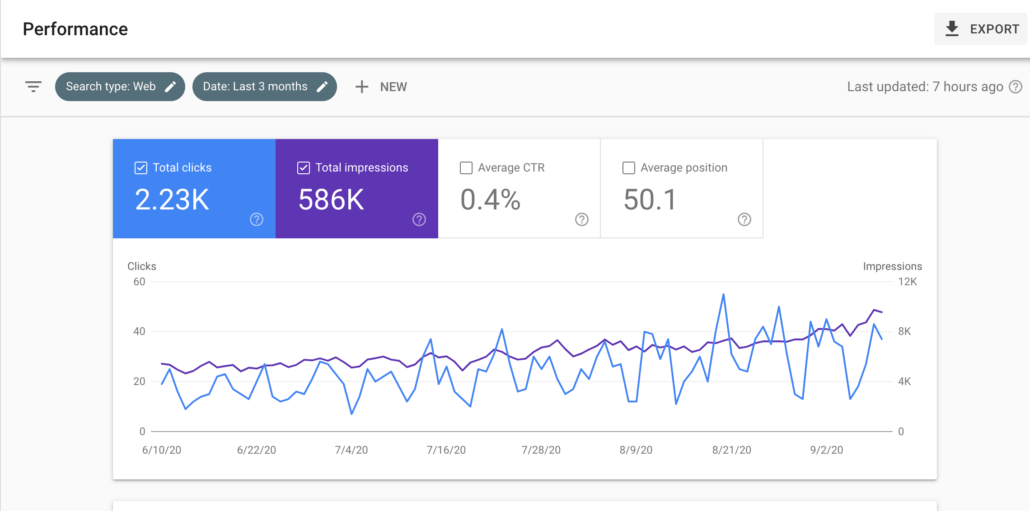

Step 6: Confirm With Free Tools (Optional)
You do not need paid tools.
Useful Free Options:
- Google Search Console
- Ubersuggest (free tier)
- Keyword Surfer (Chrome extension)
- AnswerThePublic
You’re not chasing exact numbers—just validation.
Step 7: Apply the “Weak Page Test”
Ask yourself:
- Can I explain this more clearly?
- Can I add step-by-step guidance?
- Can I include examples or screenshots?
- Can I better match search intent?
If yes, it’s a strong keyword opportunity.
Step 8: Example Low Competition Keywords
Here’s what a realistic starter list looks like:
- seo beginners guide for 2026
- how to do seo without tools
- best free seo tools for beginners
- keyword research without paid tools
- chatgpt seo prompts
- ai tools for content marketing beginners
Each keyword can become one focused article.
Step 9: Publish With Intent
When publishing:
- Use the keyword in the title
- Include it naturally in headers
- Answer the question completely
- Add internal links to related posts
One strong article beats five weak ones.
The Rule That Actually Works
Rank where others didn’t try hard enough.
Low competition keywords are everywhere. Most people simply skip SERP analysis.
Final Thoughts
If you consistently publish helpful content targeting low competition keywords, traffic compounds over time—without ads.
At AI Tech Spend, we focus on:
- Practical AI use cases
- Beginner-friendly SEO strategies
- Tools that actually save time and money
Bookmark this site and explore related guides.
Key Takeaways
- Finding low competition keywords can significantly boost your SEO efforts, especially for new websites.
- Start with a broad topic, then use Google Autocomplete and ‘People Also Ask' to discover relevant questions and phrases.
- Add intent modifiers to your keywords for more targeted opportunities and analyze page one of search results for competition.
- Use free tools for validation but remember to focus on creating better content than existing pages.
- Consistently publish helpful articles targeting low competition keywords to build traffic over time without ads.